
- CSR PLASTIC | Clean Society by Recycling | Sustainability
The Role of Recycling in the Circular Economy
The Role of Recycling in the Circular Economy
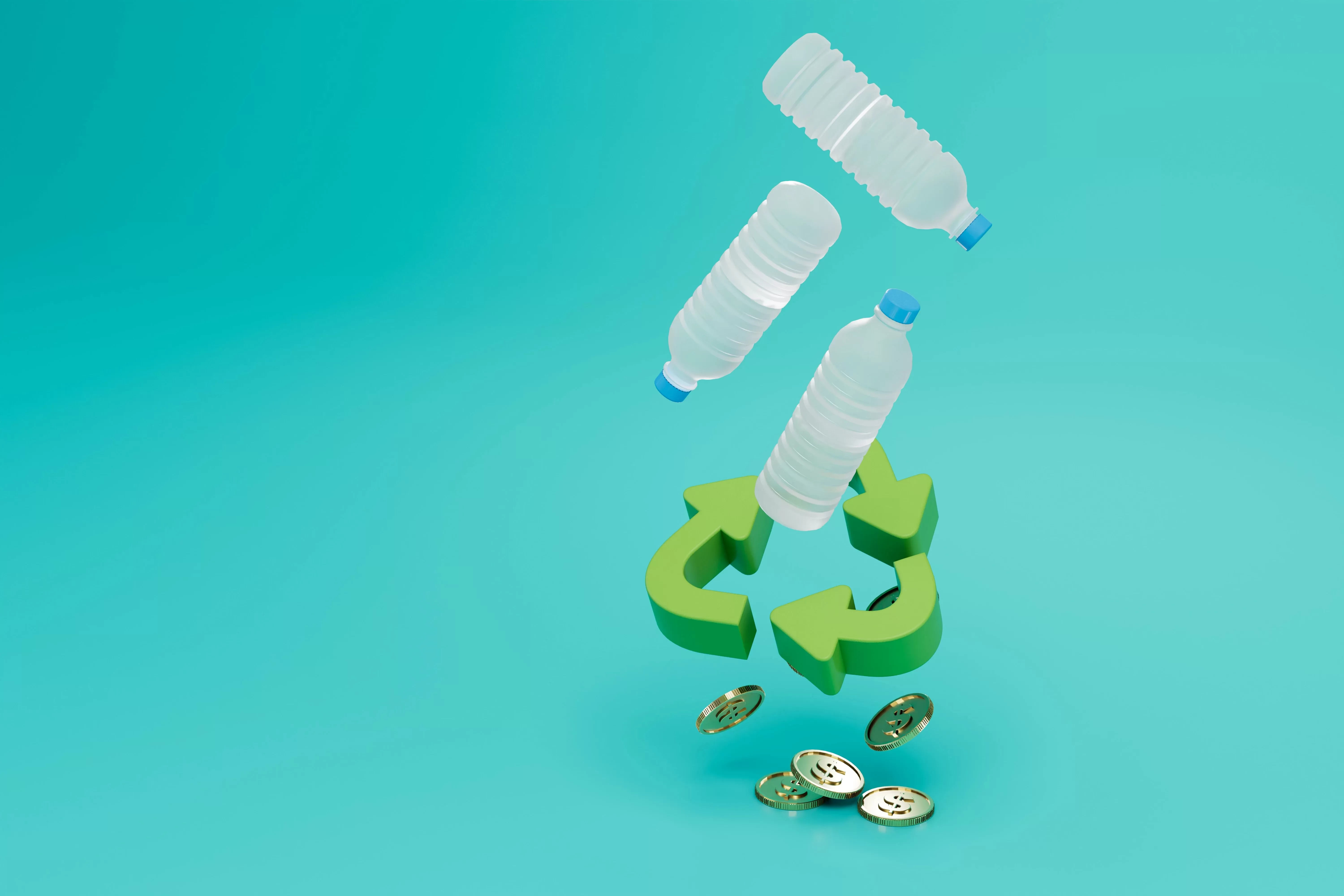
The circular economy model has emerged as a sustainable alternative to the traditional linear economy, which operates on a “take, make, dispose” framework. Instead, the circular economy prioritizes recycling, reusing, and repurposing materials to keep resources in circulation for as long as possible. At the core of this model, recycling plays a crucial role by turning waste materials into valuable resources, thereby reducing the need for new raw materials, conserving energy, and minimizing environmental impact.
Understanding the Circular Economy
In a linear economy, products are made from raw materials, used, and then discarded as waste. This process leads to resource depletion and environmental pollution due to continuous extraction and disposal. Conversely, the circular economy aims to close the loop, where materials continuously flow through cycles of production, usage, and reuse. This approach not only reduces waste but also conserves resources and minimizes the negative impact on the planet.
Recycling is fundamental to this process because it allows materials like plastics, metals, and glass to be repurposed and reintroduced into the production cycle. By recycling, companies can support a closed-loop system that fosters sustainability and reduces reliance on finite resources.
How Recycling Supports Resource Conservation
One of the most significant benefits of recycling in the circular economy is resource conservation. Recycling reduces the demand for new raw materials by turning waste into new products. For example, recycling LDPE and PET plastics helps conserve petroleum, which is used in virgin plastic production. Similarly, recycling metals reduces the need for mining, which is energy-intensive and often environmentally damaging.
Through these efforts, recycling helps maintain the availability of natural resources, ensuring they remain accessible for future generations. By closing the loop, recycling creates a more sustainable system that aligns with environmental goals and reduces the strain on ecosystems.
Energy Savings and Emissions Reduction
Recycling also contributes to the circular economy by saving energy and reducing greenhouse gas emissions. Producing new materials from recycled content generally requires less energy than manufacturing them from raw materials. For instance, recycling aluminum uses up to 95% less energy compared to extracting new aluminum from ore. Similarly, recycled plastics require less energy for reprocessing than creating virgin plastics from petroleum-based feedstocks.
Reducing energy usage not only conserves resources but also decreases carbon emissions, contributing to global climate goals. Through sustainable recycling practices, the circular economy helps mitigate the environmental impact of industrial production, making recycling a powerful tool for carbon reduction.
Waste Reduction and Environmental Benefits
The circular economy’s recycling processes are essential for managing waste and reducing pollution. When materials are recycled rather than discarded, they do not end up in landfills or oceans, where they can harm wildlife and ecosystems. By transforming plastic waste, metals, and other materials into reusable resources, recycling reduces the need for landfills and incineration, both of which have detrimental effects on the environment.
Moreover, recycling keeps materials in circulation, effectively turning waste into a resource. By promoting waste reduction through recycling, the circular economy model addresses pressing environmental issues, including plastic pollution and resource scarcity, while contributing to a cleaner, healthier planet.
Recycling and Economic Opportunities
Recycling in the circular economy also creates economic value by generating new opportunities within the recycling industry and supporting green jobs. Collecting, sorting, processing, and selling recycled materials creates employment and supports businesses focused on sustainable practices. This sector not only provides economic benefits but also fosters innovation in recycling technologies, leading to improved recycling efficiency and quality.
For companies, using recycled materials can also lower production costs, especially when raw material prices fluctuate. By building a resilient supply chain that relies on recycled resources, businesses can reduce their dependence on finite materials and improve their economic stability. This approach aligns with the principles of a sustainable economy where environmental responsibility also supports long-term profitability.
Conclusion
The role of recycling in the circular economy is essential for creating a sustainable system where resources are continually reused, reducing waste and conserving energy. By promoting resource conservation, energy savings, waste reduction, and economic growth, recycling helps advance the goals of a circular economy, leading to a healthier environment and a stronger economy. As more companies embrace sustainable practices, recycling will continue to play a central role in supporting a cleaner, greener future.
For more information on sustainable recycling initiatives, contact CSR Plastic.


